


Best Business Cards for Software and SaaS
For operators paying Slack, Notion, Adobe, Salesforce-class tools, and similar software seats on a business card. Best Business Cards for Software and SaaS maps those recurring tool bills to the right rewards bucket — not a grocery swipe guide, and not the ad-spend or cloud maps. Pairings and fees as of September 27, 2026.
Credit Waypoint is an independent publisher. We are not a bank, broker, or advisor. Not an offer of credit. Disclosure.
Rule of thumb. Put software and tool bills that post in Amex’s U.S. software & cloud systems category on Business Gold only when that category is one of your top two eligible categories that billing cycle. Put tools that post as generic services (or when Gold’s fee doesn’t clear) on Ink Business Unlimited. Do not put SaaS on Ink Business Preferred hoping for a software bonus — Preferred’s bonus advertising language is for social/search ads (see the ad-spend map). Confirm every charge after it posts. Issuer terms beat this page.
Who this map is for (and who it isn’t)
This map is for founders and operators with recurring SaaS seats, creative suites, and collaboration tools billed on a business card who need the right rewards bucket — not a travel or grocery guide.
It is not about digital contact-card products (NFC / QR “business cards for SaaS”). Those products pollute the short SERP phrase; this page means credit cards for software subscriptions.
It is also not the cloud/AWS map. Treat AWS, GCP, and Azure as a separate job — coding often surprises, and Credit Waypoint owns that as a later cloud map. Do not treat cloud infrastructure as the hero row here.
Best business cards for software and SaaS: the map
Example pairings for a common operator software stack. Your coding may differ. Rates and categories as of September 27, 2026.
| Vendor / bill | Example card | Why it is on the map | Confirm |
|---|---|---|---|
| Software / cloud-system-provider tools that Amex treats as software & cloud (e.g. Adobe-class — Amex lists Adobe as an example, not a guarantee for every SKU) | Amex Business Gold | 4x Membership Rewards when U.S. electronic goods retailers and software & cloud system providers is one of your top two eligible categories that billing cycle; first $150,000 combined from those top-two categories each calendar year, then 1x. | Statement + Amex rewards-info |
| SaaS / tools that post as generic business services, professional services, or otherwise miss Gold’s software/cloud treatment (Slack, Notion, and others — observe, don’t invent) | Ink Business Unlimited | $0 annual fee and unlimited 1.5% cash back on every purchase — least-wrong default card when a category bonus fails or coding is unreliable. | Statement category |
| Google Ads / Meta / social-search advertising | Ink Business Preferred (see ad-spend map) | Preferred’s 3x advertising language is not a SaaS software bonus — do not conflate software seats with paid traffic. | Link W1 + statement |
| Leftover stack when Gold fee math fails or software isn’t top-two that month | Ink Business Unlimited | Flat uncapped rate beats paying $375 for 1x hope on software that never lands in your top two. | Fee math on your spend |
These cards are illustrations only. Holding them is not required.
How we picked
- We map the job (SaaS and software tool bills), not a universal “best business card.”
- Issuer-stated category language comes first. Vendor brand names are not categories.
- Annual fee only earns its keep if software volume plus confirmed coding clears it.
- Signup bonuses can change short-term math. They expire. Do not build a standing map on a dead offer.
- When coding is unreliable, a $0 annual-fee catch-all is the least-wrong default card.
- Full rulebook: How we compare.
When this is wrong
This table is wrong if any of the following is true for you:
- Software/cloud is not one of your top two Amex categories that cycle. Business Gold then pays base on that spend — you are funding a $375 fee for 1x hope.
- The vendor codes as something else. A tool can post as professional services, an aggregator, a marketplace merchant of record, or a generic business MCC. Brand marketing is not card coding.
- You are on a personal card or the wrong product family. This page is about business products.
- The annual fee is not earned. Low monthly SaaS spend on Gold can lose to Unlimited’s flat 1.5% with $0 fee. Run the math on your actual spend.
- You bill a foreign vendor on Unlimited. Unlimited carries a 3% foreign transaction fee (per Chase business card pricing & terms / W1-verified). Prefer products that list no foreign transaction fee for those charges.
- You needed the ads map or the cloud map instead. Google/Meta advertising lives on the ad-spend map. AWS/GCP/Azure is a separate cloud job — not this page’s hero.
Software vs advertising on Ink and Amex
Operators often route Slack-class seats onto Ink Preferred because Preferred is already in the wallet for Google Ads. That conflates two issuer buckets.
Ink Business Preferred: bonus advertising means advertising purchases made with social media sites and search engines (combined with shipping, travel, and internet/cable/phone under the $150,000 anniversary-year cap). There is no general software-subscriptions 3x. Most SaaS seats earn the base rate on Preferred. Chase also notes that non-advertising purchases from social/search merchants (for example a subscription or app) may not qualify as advertising. SaaS ≠ ads. Use the ad-spend map for Google/Meta-style traffic.
Amex Business Gold: U.S. electronic goods retailers and software & cloud system providers (programs and data storage; Amex examples include Adobe and Salesforce* — not a complete list) is one eligible category. U.S. media advertising (online, TV, radio) is a separate eligible category. Only your top two eligible categories each billing cycle earn 4x, up to $150,000 combined per calendar year. The same card can serve software one month and advertising another — but only the top two win each cycle. Do not paste Amex’s closed “select computer hardware/software/cloud providers” list (Apple, Microsoft, and similar) as Business Gold’s definition; that language belongs to other Amex products. Cite the Business Gold block on Amex business rewards-info.
Your books may label a line “software” or “advertising.” That is a third system. Card coding is what the issuer posts after the charge clears — confirm it with the process in how to tell what category a charge coded. We do not publish invented MCC tables for Slack, Adobe, Notion, or AWS.
For fast-growing startups
When a startup adds seats every month, the software bill grows faster than anything else on the card, so the routing question gets more important, not less. Amex Business Gold can pay 4x on software & cloud system providers, but only when that category is one of your top two eligible categories in a billing cycle, and only on the first $150,000 combined from those top-two categories each calendar year. Heavy months can hit that cap sooner than you expect.
Global teams add a second check. Ink Business Unlimited earns a flat 1.5% with a $0 annual fee, but it carries a 3% foreign transaction fee. Business Gold and Ink Business Preferred list none, though Preferred has no software category. Route foreign-billed tools accordingly. Once you move onto infrastructure, treat cloud and AWS bills as a separate map.
Fees and bonuses that change the math
Figures below were checked on the issuer product pages on September 27, 2026. Offers change. If this page and the issuer disagree, the issuer wins.
Amex Business Gold
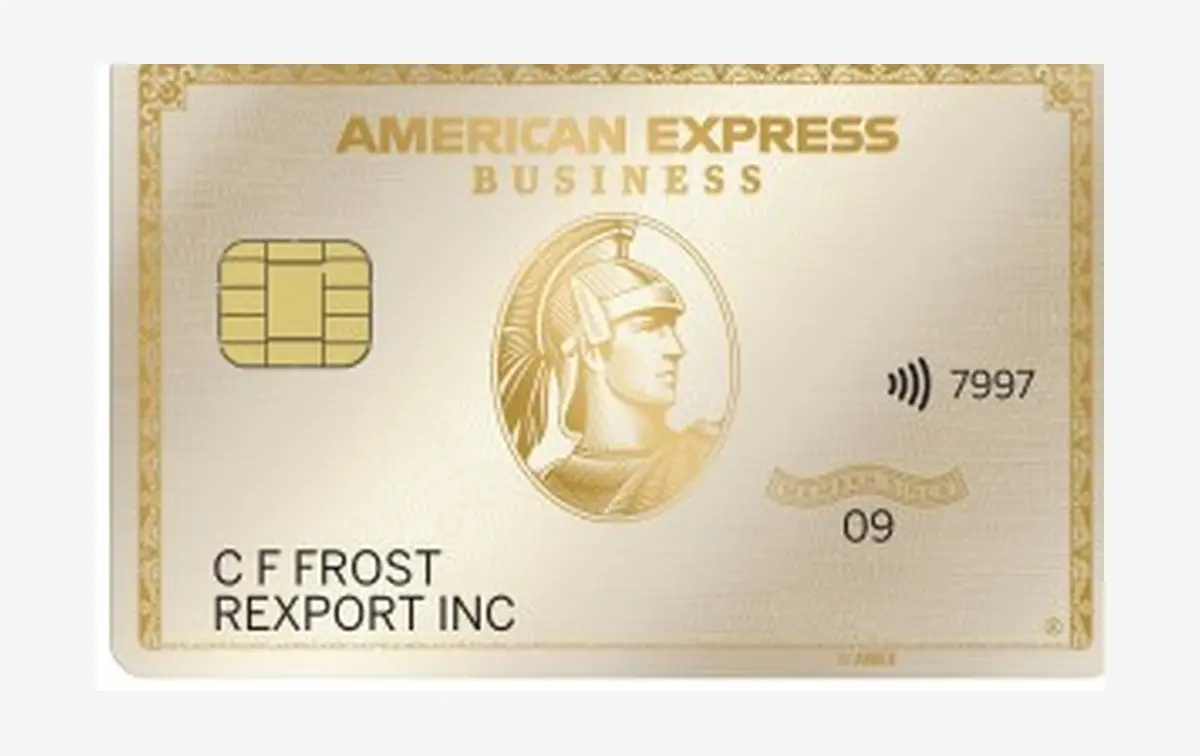
- Annual fee: $375 (Employee Business Gold Cards: $95 each; first five and each thereafter per Amex’s current fee schedule)
- Software & cloud: 4x Membership Rewards on the top two eligible categories each billing cycle — eligible cats include U.S. purchases from electronic goods retailers and software & cloud system providers (programs/data storage; Amex examples Adobe, Salesforce* — not a complete list). Cap: first $150,000 combined from those top-two categories each calendar year, then 1x.
- Advertising (sister job): U.S. media advertising (online, TV, radio) is a separate eligible category — only 4x if advertising is one of that cycle’s top two. See the ad-spend map for when ads are the job.
- Signup bonus: Offers vary / personalized. Amex often personalizes the welcome offer at application. Check the live offer on Amex before you treat any blog figure as current.
- Foreign transaction fee: None (Amex does not charge a foreign transaction fee; merchants or ATMs may still add their own)
Sources: American Express Business Gold product page; Amex business rewards-info.
Ink Business Unlimited
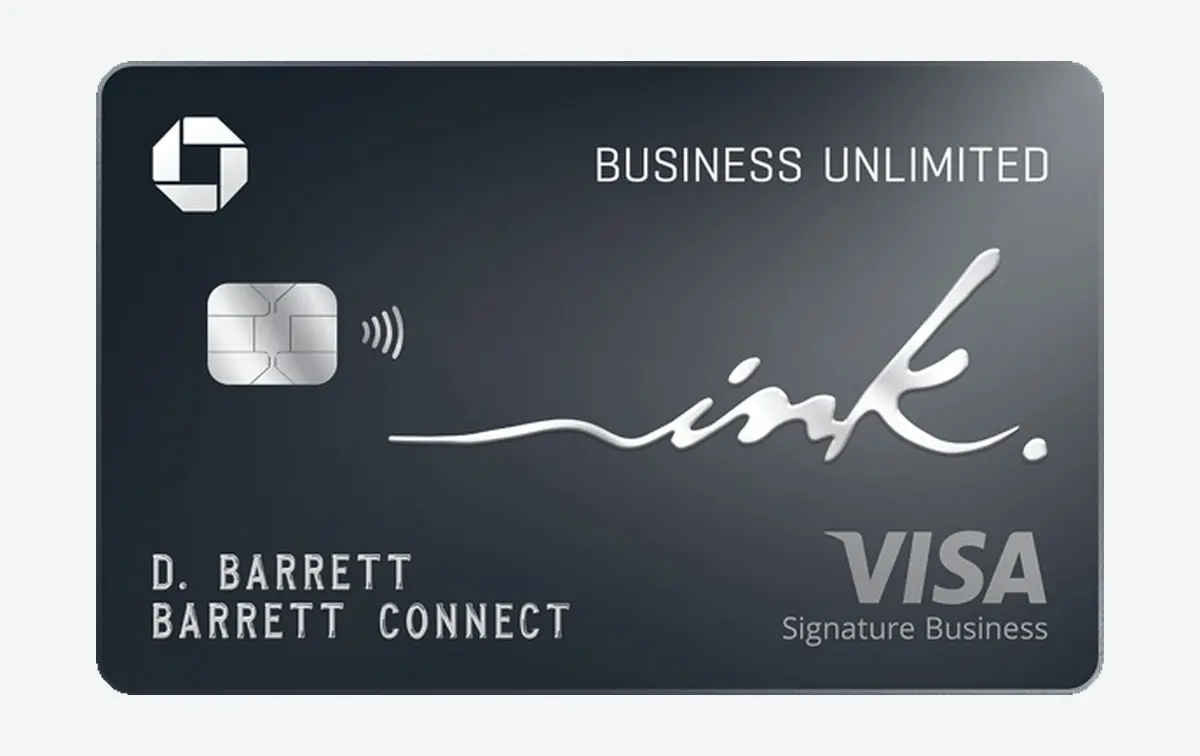
- Annual fee: $0
- Earn rate: unlimited 1.5% cash back on every purchase
- Signup bonus (current public offer): $750 cash back after you spend $6,000 in the first 3 months. May not be available if you have ever held this card or any other Chase for Business card without an annual fee.
- Foreign transaction fee: 3% of each transaction in U.S. dollars (per Chase business card pricing & terms / W1-verified)
Source: Chase Ink Business Unlimited product page.
Role on this map: coding-agnostic default card for SaaS that misses Amex software/cloud treatment or when Gold’s fee math fails.
Ink Business Preferred (contrast — not the SaaS hero)
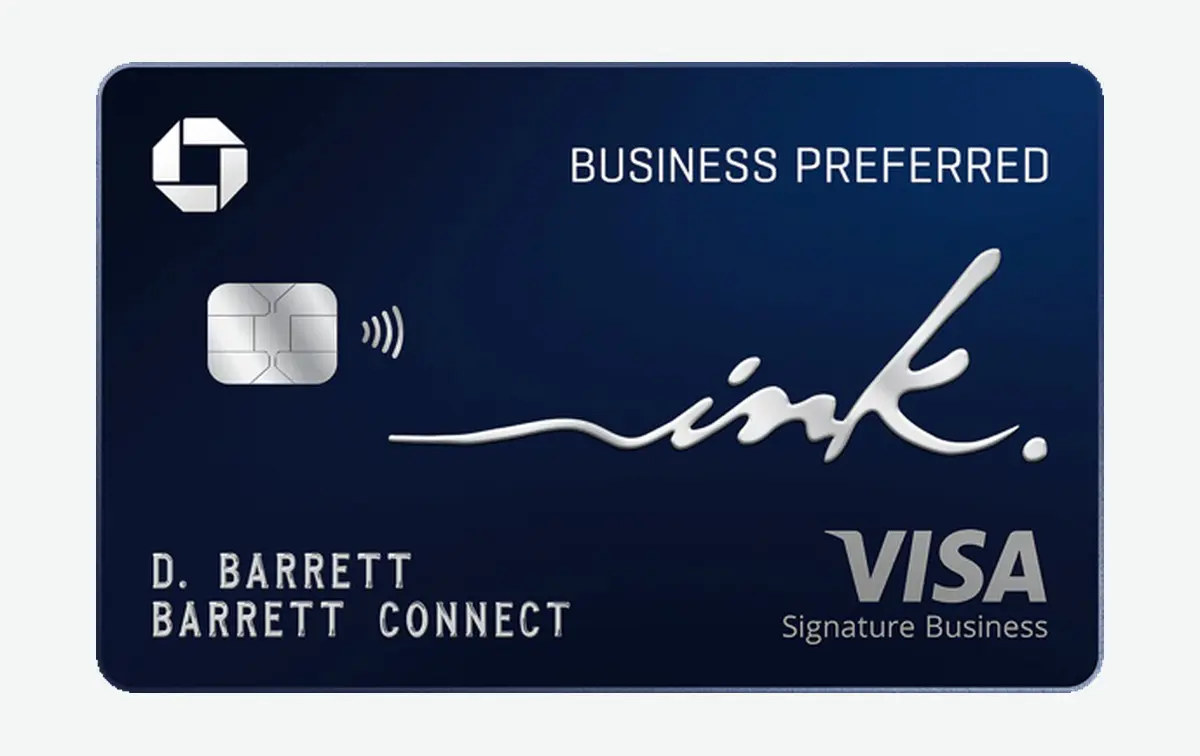
- Annual fee: $95
- 3x Ultimate Rewards on the first $150,000 combined per account anniversary year on: shipping; advertising purchases made with social media sites and search engines; internet, cable and phone; travel. Then 1x.
- No general software-subscriptions 3x. Most SaaS seats earn base on Preferred.
- Signup bonus (current public offer): 100,000 bonus points after you spend $8,000 in the first 3 months. May not be available if you have ever held this card.
- Foreign transaction fee: None
Source: Chase Ink Business Preferred product page.
Explicit: this is not the SaaS software hero. Advertising and social/search live on the ad-spend map.
Optional anti-gotcha: Ink Cash’s 5% “internet” bucket is ISP/telecom — not a Slack workaround.
How to confirm coding
- Run a small charge (or wait for a normal billing cycle) on the tool you care about.
- Wait until the charge is posted — pending is not final.
- Read the issuer category / rewards activity on that line.
- Compare to Amex’s software & cloud systems language, or note “generic → Unlimited.”
- If it coded wrong, re-route the next cycle. Do not keep paying a fee for 1x hope.
- Full process: How to tell what category a credit card charge coded.
Do not rely on brand-name MCC tables. Adobe is an Amex example merchant for software/cloud; Slack and Notion are not guaranteed by name alone. Observe your statement.
When NOT to use these cards / cloud note
- Low SaaS spend. Unlimited (or another verified no-fee flat rate) may beat Gold after the $375 fee.
- AWS / GCP / Azure. Not owned on this page. Cloud infrastructure often codes differently from collaboration SaaS; Credit Waypoint treats cloud/AWS as a separate map. Confirm each posted charge — do not assume “software” marketing copy equals your issuer’s category.
- Missed multipliers. Do not open disputes just because a bonus did not land (see the coding guide). Re-route next cycle instead.
Questions
What is the best business credit card for software subscriptions?
There isn’t one universal card. As a working map: use American Express Business Gold when a U.S. software & cloud systems purchase is one of your top two eligible categories that billing cycle; put tools that don’t earn that treatment on a $0 flat-rate card such as Ink Business Unlimited; and keep social/search advertising on Ink Business Preferred per the ad-spend map. Confirm how each vendor posts on your statement before you scale.
Does Amex Business Gold earn 4x on Slack, Adobe, or Notion?
Amex’s public category language covers purchases from U.S. software and cloud system providers (programs and data storage), and lists merchants like Adobe and Salesforce as examples — not a complete list and not a promise for every tool. Slack and Notion are not guaranteed by brand name alone. Wait for the charge to post and read the category on your Amex account.
Does Chase Ink Preferred give bonus points on SaaS tools?
Ink Business Preferred’s bonus categories center on shipping, travel, internet/cable/phone, and advertising purchases with social media sites and search engines — not a general software-subscriptions bonus. Most SaaS seats earn the base rate on Preferred. Use the ad-spend map for Google/Meta-style advertising, not this software map.
Is software the same as advertising on Ink and Amex?
No. On Ink Preferred, advertising (social/search) is a bonus bucket and general SaaS is not. On Amex Business Gold, software & cloud systems and U.S. media advertising are separate eligible categories, and only your top two categories each billing cycle earn the elevated rate. Bookkeeping labels are a third system — confirm card coding separately.
Should I put AWS on the same card as my SaaS stack?
Not automatically. Cloud infrastructure often codes differently from collaboration SaaS, and Credit Waypoint treats cloud/AWS as a separate map. Confirm each posted charge; don’t assume “software” marketing copy equals your issuer’s category.
What if my tool codes as professional services?
Put it on Ink Business Unlimited (or another $0 flat-rate card you already hold) until coding changes. Do not keep routing it to Gold for a software bonus that never posts.
For the wider stack picture, see the card map. Advertising stays on the ad-spend map. Confirm coding with how to tell what category a charge coded. Methodology: How we compare. Independence: Disclosure.
Last updated: September 27, 2026
Byline: Credit Waypoint (Organization). Corrections: hello@creditwaypoint.com. Methodology: How we compare.